Quick answer
Hypertrophic cardiomyopathy (HCM) is the most common heart condition in cats. The muscle of the heart's main pumping chamber thickens, and about 1 in 7 cats is affected. Many cats never show signs, but HCM can lead to fluid on the lungs, which causes fast or labored breathing, or to a blood clot that suddenly paralyzes the back legs. Both are emergencies. An echocardiogram confirms the diagnosis.
Hypertrophic cardiomyopathy in cats is common, and it’s often silent until a crisis. Knowing the two emergency signs, trouble breathing and sudden back-leg paralysis, can save your cat’s life. If your cat shows either sign, go to a vet now.
What is hypertrophic cardiomyopathy in cats?
Hypertrophic cardiomyopathy (HCM) is a disease of the heart muscle. The wall of the left ventricle, the heart’s main pumping chamber, becomes abnormally thick. The chamber inside gets smaller and the muscle can’t relax properly between beats, so the heart fills with less blood each time.
HCM is the most common heart condition in cats. The ACVIM consensus guidelines estimate it affects about 15% of cats, and the Merck Veterinary Manual puts it at as many as 1 in 7. The large majority of these cats show no signs.
Over time, poor filling can back up pressure into the lungs. That can lead to:
- Congestive heart failure: fluid builds up in or around the lungs, making breathing hard.
- Blood clots: blood pools in an enlarged upper chamber (the left atrium) and a clot can form, then travel out into the body.
- Sudden death: uncommon, but possible.
Similar thickening can be caused by other conditions, especially high blood pressure and an overactive thyroid. Your vet will rule these out before diagnosing HCM. See our guide to hyperthyroidism in cats.
Which cats get HCM?
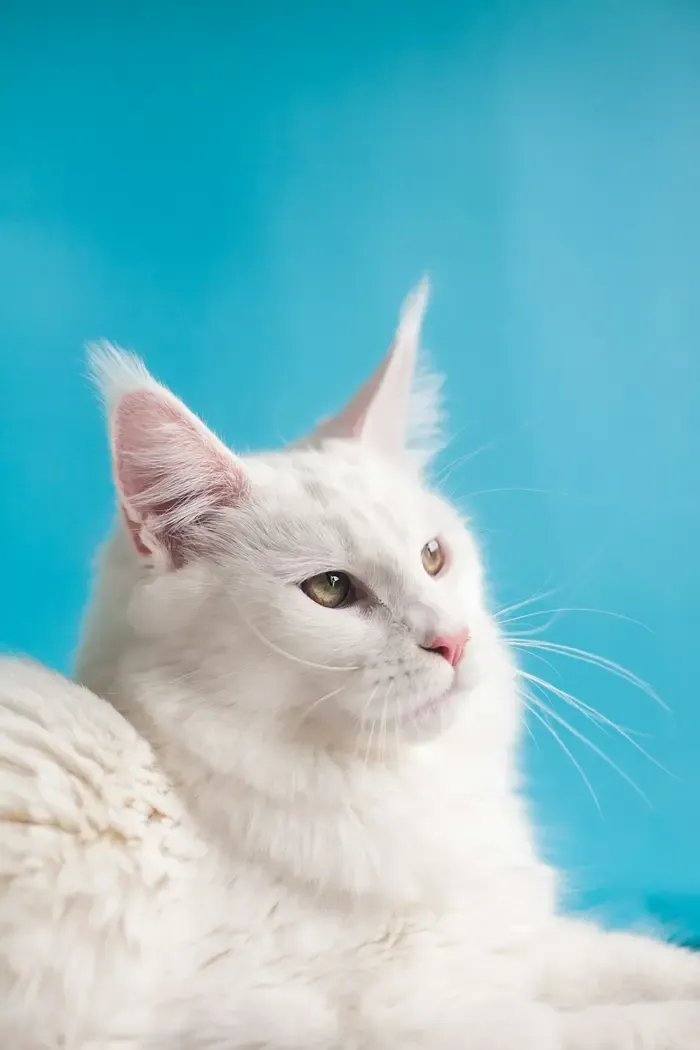
Any cat can get HCM, and most affected cats are ordinary nonpedigree cats. Some breeds are at higher risk, including the Maine Coon, Ragdoll, British Shorthair, Persian, Bengal, Sphynx, Norwegian Forest cat and Birman.
Two gene mutations are known, both in a heart protein gene called MYBPC3:
| Breed | Genetic test | What the result means |
|---|---|---|
| Maine Coon | MYBPC3-A31P | Cats with two copies of the mutation are the ones most likely to develop significant HCM |
| Ragdoll | MYBPC3-R820W | Cats with two copies are at higher risk |
| Other breeds | Not useful | These two mutations are almost only found in Maine Coons and Ragdolls |
The ACVIM guidelines recommend these tests for Maine Coons and Ragdolls used for breeding, and say they can be considered in pet cats of these breeds. Two cautions apply. Not every cat with a mutation develops HCM, and cats that test negative can still get it. Regular heart scans are still worth considering in these breeds.
Not sure of your cat’s breed mix? Our cat breed identifier can give you an idea, but only a DNA test tells you about these mutations.
What are the signs of HCM in cats?
Many cats with HCM look completely healthy. The first clue is often something your vet hears at a routine checkup:
- A heart murmur: a whooshing sound from turbulent blood flow. Up to 80% of cats with HCM that have no signs have a murmur, but so do 30% to 45% of healthy cats. At least a third of cats with HCM have no murmur at all.
- A gallop sound: an extra heart sound that’s seldom heard in healthy cats.
- An irregular or unusually fast heart rhythm.
When HCM progresses to heart failure, the most common sign is labored breathing. Some cats only hide or stop eating. Coughing is uncommon in cats with heart failure. Cats may also have cold ears and paws, pale gums and low energy.
Fast breathing can also come from cat asthma, which usually causes coughing and wheezing. Your vet needs to examine your cat to tell them apart.
How do I check my cat’s sleeping breathing rate?
Counting your cat’s breaths while they sleep is one of the best things you can do at home. A rise can be the first sign of heart failure, before your cat looks unwell.
- Wait until your cat is sound asleep, not dreaming or purring.
- Count each rise of the chest for 30 seconds, then double it.
- Do this on a few days to learn your cat’s normal.
A normal sleeping rate is usually under 30 breaths per minute. For cats being treated for heart failure, the ACVIM guidelines advise owners to track this rate at home, with a goal of keeping it under 30. Vets often adjust medicine based on these counts. Our cat breathing rate counter times the count for you, and our guide to a cat breathing fast explains what the numbers mean.
What is a saddle thrombus?
A saddle thrombus is a blood clot that forms in the heart, travels down the aorta and lodges where it splits to supply the back legs. Vets call it arterial thromboembolism. It can be the very first sign that a cat has HCM.
The signs come on suddenly:
- Paralysis or weakness of one or both back legs (occasionally a front leg)
- Severe pain and distress, which can also make a cat breathe fast
- Cold back legs, with weak or absent pulses that your vet can check
This is an emergency. Go to the nearest emergency vet straight away. Pain relief is the first priority. The outlook is often poor, and many cats with a saddle thrombus are put to sleep to spare them suffering. Some cats do recover, especially if only one leg is affected, their body temperature is normal and they don’t also have heart failure. Recovery of leg function can take weeks or months.
How do vets diagnose HCM?
- Echocardiogram: an ultrasound scan of the heart. It’s the gold standard test, showing the wall thickness, chamber sizes and any clot. Most cats don’t need sedation.
- NT-proBNP blood test: measures a heart hormone in the blood. It can help when an echocardiogram isn’t available, and a quick in-clinic version helps pick out cats with more severe disease.
- Chest X-rays: show heart size and fluid in or around the lungs.
- ECG: checks the heart rhythm.
- Blood pressure and thyroid tests: to rule out other causes of a thick heart.
Vets stage HCM from A (at risk) through B (changes but no signs), C (heart failure or a clot) and D (heart failure that no longer responds well to treatment). Cats in stage B are split by whether the left atrium is enlarged, which raises the risk of a clot or heart failure.
How is HCM in cats treated?
There’s no cure for HCM, but treatment can ease signs and lower risks. The plan depends on the stage.
| Situation | What vets may use |
|---|---|
| No signs, normal-sized atrium | Usually no medicine, with a yearly recheck |
| Enlarged atrium, clot risk | Clopidogrel, a blood thinner that lowers the chance of a clot |
| Heart failure | Oxygen and furosemide (a diuretic) to clear fluid, plus clopidogrel |
| Fast or irregular rhythm | Heart rate or rhythm medicine such as atenolol |
| Saddle thrombus | Strong pain relief and anticlotting medicine in the hospital |
In 2025, the FDA conditionally approved sirolimus (Felycin-CA1), the first drug approved for cats with HCM. It’s used to manage the thickened heart wall in cats that don’t yet have signs. The FDA notes cats should be screened for liver disease first, and it shouldn’t be used in cats with liver disease or diabetes.
Some cats drool, retch or vomit after clopidogrel tablets. Ask your vet about ways to give it, such as in an empty capsule. Our guide on how to give a cat a pill can help. Your vet chooses the medicines and sets the dose for your cat. Don’t stop or change heart medicine without talking to your vet.
Cats that have never shown signs often live for years. The outlook is more guarded after heart failure or a clot, but many cats still have good-quality time with treatment and careful home monitoring.
Frequently asked questions
How long can a cat live with HCM?
It varies a lot. Cornell Feline Health Center notes that cats without signs often live for years. The outlook is worse once a cat has had heart failure or a blood clot, which is why regular checks and home breathing counts matter.
Does a heart murmur mean my cat has HCM?
Not always. Many healthy cats have a murmur, and at least a third of cats with HCM have no murmur. A murmur is a reason for your vet to look further, usually with an echocardiogram.
Should I get my Maine Coon or Ragdoll genetically tested?
Testing is recommended for Maine Coons and Ragdolls used for breeding, and can be considered for pet cats of these breeds to understand their risk. A negative test doesn't rule HCM out, so heart scans are still useful.
Can HCM in cats be cured?
No. Treatment manages the disease, eases breathing, lowers the risk of blood clots and, in some cats, may slow the thickening. Many cats do well for a long time with treatment.
Sources
- ACVIM consensus statement guidelines for the classification, diagnosis, and management of cardiomyopathies in cats (Luis Fuentes et al., J Vet Intern Med, 2020)
- Cornell Feline Health Center: Hypertrophic Cardiomyopathy
- Merck Veterinary Manual: Hypertrophic Cardiomyopathy in Dogs and Cats
- Merck Veterinary Manual (Cat Owners): Acquired Heart and Blood Vessel Disorders in Cats
- International Cat Care: Cardiomyopathy (heart disease) in cats
- FDA: FDA Conditionally Approves Drug for Management of Ventricular Hypertrophy in Cats (2025)
Written by the CatsMed Team from the sources above. This guide isn’t reviewed by a veterinarian and isn’t a substitute for one. See how we research.