Cat breed identifier: what breed is my cat?
Wondering what breed is my cat? Our cat breed identifier compares your photo with 43 common breeds and shows the closest match, what the breed is like and any inherited health risks it’s known for. Most cats turn out to be a mixed breed cat, and that’s completely normal.
Free photo scanner · Based on vet sources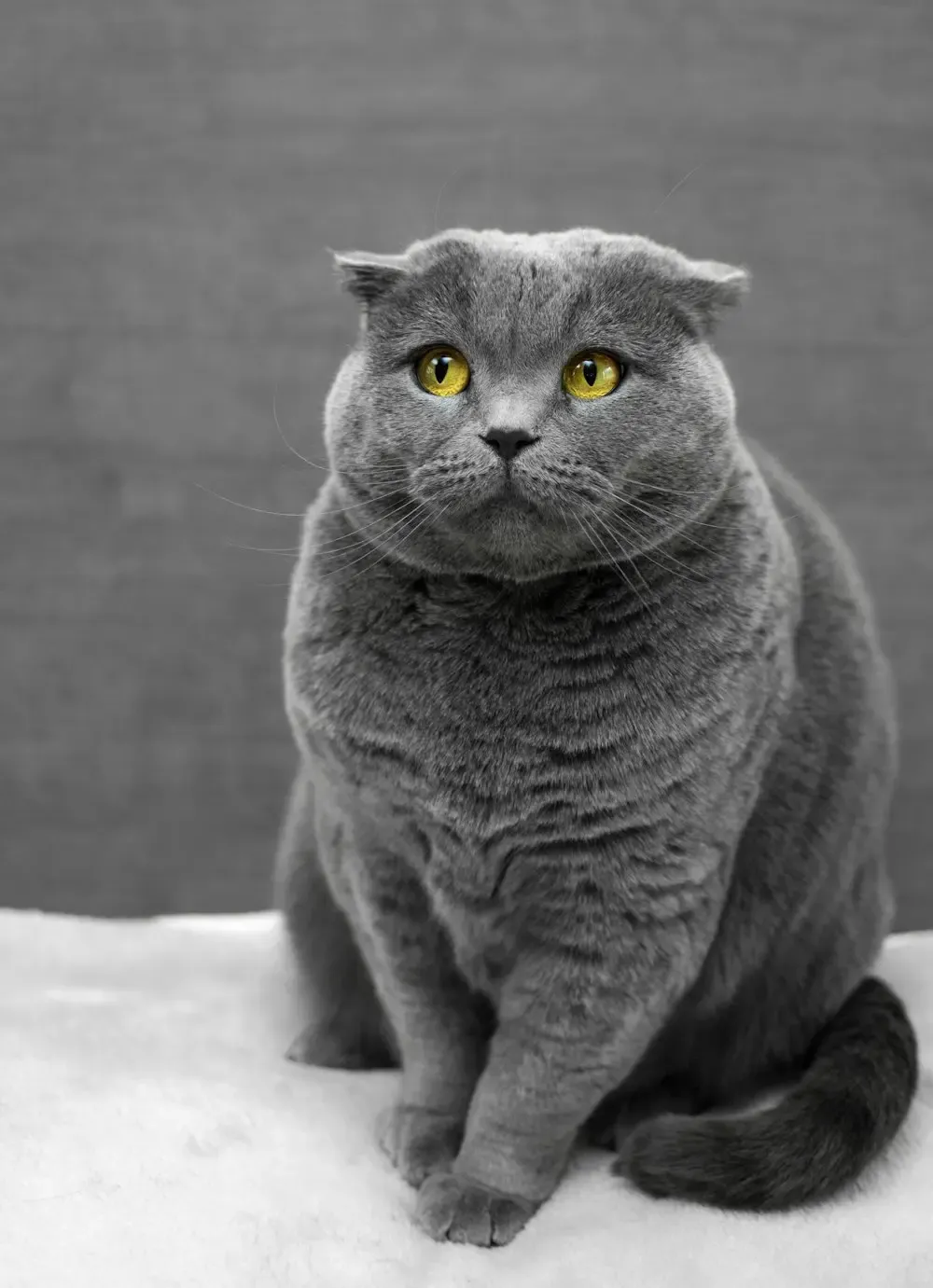
- 1Photo
- 2Scan
- 3Result
Scan your cat
- Show your cat’s face and body, ideally looking at you
- Use natural light and no filters
- A side view helps with coat and build
Photos are checked, then deleted. We never store them.
Show your cat’s face and body, ideally looking at you
Is the photo of your cat clear?
Sharp and well lit works best. If it’s blurry or too dark, take another.
Looking at your photo…
Matching it to 43 breeds on our list.
Scanners can get it wrong, so check the name matches before relying on it. Not a diagnosis. If your cat is unwell, check the signs or see the emergency guide.
How the cat breed identifier works
- Take or upload a photo. Your cat’s face and body, in daylight, work best.
- We match it to our list. The scanner only chooses from the breeds listed below, including domestic shorthair and longhair for mixed breeds.
- You see our breed notes. Temperament and cat breed health problems come from our own breed data, built from veterinary sources, not from the AI.
Looks can be misleading. Only pedigree papers or a DNA test can confirm a breed, and a breed risk is not a sign your cat is ill.
Browse all 43 breeds and their health risks
- Domestic longhair (mixed breed)Long · also called DLH, fluffy house catVaries from cat to cat. Long coats need regular brushing to prevent mats and hairballs.No breed-specific risks. Same common problems as any cat.
- Domestic shorthair (mixed breed)Short · also called moggie, house cat, DSH, tabbyVaries from cat to cat. Most pet cats are mixed breed, not a pedigree.No breed-specific risks. Same common problems as any cat.
- AbyssinianShort, ticked · also called AbyVery active, curious and loves to climb.Known risks: Amyloidosis (kidney), Progressive retinal atrophy (PRA), Pyruvate kinase (PK) deficiency, Gum disease.
- American CurlShort or long, curled-back earsPlayful and people-oriented.No inherited disease is well documented as common in this breed.
- American ShorthairShort, denseEasygoing, adaptable and good with families.Known risks: Hypertrophic cardiomyopathy (HCM).
- BalineseSemi-long, pointed · also called longhaired SiameseVocal, affectionate and active.Known risks: Progressive retinal atrophy (PRA).
- BengalShort, spotted or marbledVery active, curious and needs lots of play.Known risks: Hypertrophic cardiomyopathy (HCM), Progressive retinal atrophy (PRA-b), Pyruvate kinase (PK) deficiency.
- BirmanSemi-long, pointed with white paws · also called sacred cat of BurmaGentle, calm and affectionate.Known risks: Feline infectious peritonitis (FIP).
- BombayShort, glossy blackAffectionate, playful and attention-seeking.Known risks: Burmese head defect.
- British ShorthairShort, dense · also called British BlueCalm, easygoing and not very clingy. Tends to gain weight.Known risks: Hypertrophic cardiomyopathy (HCM), Polycystic kidney disease (PKD).
- BurmeseShort, satinVery people-oriented, playful and vocal.Known risks: Diabetes, Low potassium (hypokalemic polymyopathy), Feline orofacial pain syndrome.
- ChartreuxShort, woolly, blue-grayQuiet, calm and devoted.Known risks: Kneecap dislocation (patellar luxation).
- Cornish RexShort, tight curlsVery active and affectionate. Feels the cold.No inherited disease is well documented as common in this breed.
- CymricSemi-long, tailless or short tail · also called longhaired ManxPlayful and loyal, like the Manx.Known risks: Manx syndrome.
- Devon RexShort, wavyPlayful, mischievous and people-loving.Known risks: Congenital myasthenic syndrome, Kneecap dislocation (patellar luxation).
- Egyptian MauShort, spottedFast, active and loyal. Can be shy.Known risks: Pyruvate kinase (PK) deficiency.
- Exotic ShorthairShort, dense · also called exoticEasygoing and affectionate. A short-coated Persian.Known risks: Polycystic kidney disease (PKD), Brachycephalic airway problems, Eye problems, Crowded or misaligned teeth.
- Havana BrownShort, chocolate brownAffectionate, playful and curious.No inherited disease is well documented as common in this breed.
- HimalayanLong, pointed · also called colorpoint PersianCalm and affectionate, like the Persian. Needs daily grooming.Known risks: Polycystic kidney disease (PKD), Brachycephalic airway problems, Eye problems, Crowded or misaligned teeth.
- Japanese BobtailShort or long, short kinked tailActive, talkative and people-friendly.No inherited disease is well documented as common in this breed.
- KoratShort, silver-blueAffectionate and bonds closely with its people.Known risks: Gangliosidosis (GM1 and GM2).
- Maine CoonLong, shaggyLarge, friendly and sociable. Often called a gentle giant.Known risks: Hypertrophic cardiomyopathy (HCM), Hip dysplasia, Spinal muscular atrophy (SMA).
- ManxShort, tailless or short tailPlayful, loyal and dog-like.Known risks: Manx syndrome.
- MunchkinShort or long, short legsPlayful and outgoing.Known risks: Short-leg dwarfism (chondrodysplasia).
- Norwegian Forest CatLong, water-resistant · also called wegieFriendly, independent and a keen climber.Known risks: Glycogen storage disease type IV, Hypertrophic cardiomyopathy (HCM).
- OcicatShort, spottedOutgoing, active and dog-like.Known risks: Amyloidosis (kidney), Pyruvate kinase (PK) deficiency.
- Oriental ShorthairShort, many colors · also called OrientalTalkative, playful and social, like the Siamese.Known risks: Amyloidosis (liver), Progressive retinal atrophy (PRA).
- PersianLongCalm, quiet and gentle. Needs daily grooming.Known risks: Polycystic kidney disease (PKD), Brachycephalic airway problems, Eye problems, Crowded or misaligned teeth.
- RagamuffinSemi-longGentle and affectionate. Closely related to the Ragdoll.Known risks: Hypertrophic cardiomyopathy (HCM).
- RagdollSemi-long, pointedRelaxed and people-oriented. Often goes limp when picked up.Known risks: Hypertrophic cardiomyopathy (HCM).
- Russian BlueShort, dense, blue-grayGentle, quiet and a little shy with strangers.No inherited disease is well documented as common in this breed.
- SavannahShort, spottedVery active and bold. Early generations are part serval and legally restricted in some places.No inherited disease is well documented as common in this breed.
- Scottish FoldShort or long, folded ears · also called Highland FoldSweet and adaptable.Known risks: Osteochondrodysplasia.
- Selkirk RexShort or long, curlyPatient and easygoing.Known risks: Polycystic kidney disease (PKD).
- SiameseShort, pointedVocal, social and very attached to its people.Known risks: Asthma, Amyloidosis (liver), Progressive retinal atrophy (PRA), Crossed eyes and wobbly eyes.
- SiberianLong, triple coatPlayful, sociable and athletic.Known risks: Hypertrophic cardiomyopathy (HCM).
- SingapuraShort, tickedSmall, curious and lively.Known risks: Pyruvate kinase (PK) deficiency.
- SnowshoeShort, pointed with white feetFriendly and fairly vocal.No inherited disease is well documented as common in this breed.
- SomaliSemi-long, ticked · also called longhaired AbyssinianActive, playful and curious, like the Abyssinian.Known risks: Amyloidosis (kidney), Progressive retinal atrophy (PRA), Pyruvate kinase (PK) deficiency.
- SphynxHairless · also called hairless catExtroverted, affectionate and warmth-seeking.Known risks: Hypertrophic cardiomyopathy (HCM), Congenital myasthenic syndrome, Skin care needs.
- TonkineseShort, pointed or minkSocial, playful and chatty. A Siamese and Burmese cross.No inherited disease is well documented as common in this breed.
- Turkish AngoraSemi-long, silkyLively, clever and social.Known risks: Deafness in white cats.
- Turkish VanSemi-long, mostly white with color on the head and tailEnergetic and famously fond of water.No inherited disease is well documented as common in this breed.
Cat breed identifier questions
Can a photo tell me what breed my cat is?
Only roughly. A photo shows coat, color and face shape, and many mixed breed cats look like a pedigree breed. Pedigree papers or a cat DNA test are the only ways to know for sure.
Is a mixed breed cat healthier?
Mixed breed cats are less likely to carry the inherited diseases some pedigree breeds are known for, but they get the same common problems as any cat, such as dental disease, kidney disease and hyperthyroidism in later life.
What should I do about cat breed health problems?
Tell your vet which breed your cat is or might be. For some conditions, such as polycystic kidney disease or HCM, there are DNA tests or screening scans. A breed risk doesn’t mean your cat has the condition.
Sources: breed-club health statements, UC Davis Veterinary Genetics Laboratory and International Cat Care. This tool gives general information and doesn’t replace advice from your vet. If your cat seems unwell, use our Should I go to the vet? checker.
More free tools
Symptom photo check
Photograph what you’re seeing and we’ll point you to the right guide.
Cat poop checker
Photograph your cat’s stool and compare it with a vet fecal score chart.
Should I go to the vet?
Tick the signs you’re seeing and find out how urgent it is.