Food scanner for cats: is this food safe for cats?
Point our food scanner for cats at whatever is on your plate. It matches the photo to 44 common foods in our list and tells you whether it’s one of the human foods cats can eat, a food to avoid, or one of the toxic foods that needs a call to your vet.
Free photo scanner · Based on vet sources
- 1Photo
- 2Scan
- 3Result
Scan a food
- Get close, so the food fills most of the frame
- Scan one food at a time
- Good light, and avoid glare on packaging
Photos are checked, then deleted. We never store them.
Get close, so the food fills most of the frame
Is the food clear?
Sharp and well lit works best. If it’s blurry or too dark, take another.
Looking at your photo…
Matching it to 44 foods on our list.
Scanners can get it wrong, so check the name matches before relying on it. Not a diagnosis. If your cat is unwell, check the signs or see the emergency guide.
How the food scanner works
- Take or upload a photo. One food at a time works best, close up and in good light.
- We match it to our list. The scanner only chooses from the foods listed below, so it never invents an answer.
- You see our verdict. Whether it’s safe, how much is OK and what to do if your cat ate it all come from our food data, built from ASPCA and veterinary sources.
Mixed dishes, sauces and baked goods can contain onion, garlic, raisins or xylitol that a photo can’t show. When in doubt, don’t share it.
Browse all 44 foods: safe, avoid and toxic foods
- AlcoholCauses vomiting, wobbliness, breathing problems and can be fatal in small amounts.Toxic
- Chives and leeksSame onion-family compounds that damage red blood cells.Toxic
- ChocolateTheobromine and caffeine cause vomiting, a racing heart and seizures. Dark chocolate is worst.Toxic
- Coffee and teaCaffeine causes restlessness, a fast heart rate and tremors.Toxic
- GarlicDamages red blood cells. More potent than onion.Toxic
- Grapes and raisinsLinked to kidney injury in pets. Avoid completely.Toxic
- NutmegCan cause tremors, a fast heart rate and disorientation.Toxic
- OnionsDamage red blood cells and cause anemia, even cooked or powdered.Toxic
- Raw bread doughExpands in the stomach and produces alcohol.Toxic
- Wild mushroomsSome species cause liver or kidney failure.Toxic
- XylitolA sweetener that’s dangerous to dogs. Its effect on cats is less clear, so avoid it.Toxic
- CitrusCitric acid and oils can upset the stomach.Avoid
- Cooked bonesSplinter and can choke a cat or injure the gut.Avoid
- Dog foodFine by accident, but lacks the taurine and nutrients cats need long term.Avoid
- Fat trimmingsRich, fatty food can trigger vomiting, diarrhea and pancreatitis.Avoid
- Ham and deli meatsVery salty and often seasoned with garlic or onion.Avoid
- Macadamia nutsToxic to dogs. Nuts are also fatty, so skip them for cats.Avoid
- MilkMost adult cats are lactose intolerant and get diarrhea.Avoid
- Raw eggsRisk of Salmonella, and raw egg white blocks biotin absorption.Avoid
- Raw fishCan carry bacteria, and an enzyme in some raw fish destroys thiamine (vitamin B1).Avoid
- Raw meatRisk of Salmonella, E. coli and parasites for your cat and your family.Avoid
- SpinachHigh in oxalates. Avoid in cats with a history of bladder stones.Avoid
- BananaA small slice is fine. High in sugar.Small amounts only
- BreadPlain baked bread is harmless in small amounts but has no value for cats.Small amounts only
- CheeseA tiny piece is usually fine, but dairy upsets many cats.Small amounts only
- Peanut butterOnly a lick, and only if it has no xylitol. It’s sticky and fatty.Small amounts only
- Plain yogurtA lick of plain, unsweetened yogurt is usually tolerated.Small amounts only
- Tomatoes (ripe)Ripe flesh is fine in small amounts. Green parts, stems and leaves are toxic.Small amounts only
- TunaFine occasionally in water. Too much risks mercury and nutritional imbalance.Read the full guideSmall amounts only
- ApplePeeled, with the core and seeds removed.Safe
- BlueberriesSafe in small amounts.Safe
- BroccoliSteamed plain, in small amounts.Safe
- CarrotsCooked and soft, in small pieces.Safe
- Cat grassWheat or oat grass grown for cats to chew.Safe
- Cooked chickenPlain, boneless and skinless. A great treat.Safe
- Cooked eggsPlain and fully cooked, with no butter or salt.Safe
- Cooked ricePlain white rice is easy on the stomach.Safe
- Cooked salmonPlain and boneless, as an occasional treat.Safe
- CucumberLow calorie and safe in small pieces.Safe
- OatmealCooked plain oats made with water.Safe
- PeasCooked plain peas are fine.Safe
- PumpkinPlain canned pumpkin (not pie filling) adds fiber.Safe
- StrawberriesSmall pieces, occasionally.Safe
- WatermelonSeedless and rind-free, in small pieces.Safe
Food scanner questions
Is this food safe for cats if the scanner can’t name it?
Treat it as unknown. Many dishes hide onion, garlic or other toxic foods, so a photo can’t always tell. Look it up in the list below, and if your cat already ate some, call your vet or a pet poison hotline.
Which human foods can cats eat?
Plain cooked chicken, turkey, fish and eggs are good treats. Small amounts of plain pumpkin, rice, blueberries and cooked vegetables are also fine. Keep treats under 10% of your cat’s daily calories.
Which foods are most dangerous for cats?
Onions, garlic, chives and leeks, chocolate, caffeine, alcohol, grapes and raisins, and raw bread dough are the most important toxic foods to keep away from cats.
Sources: ASPCA Animal Poison Control, “People foods to avoid feeding your pets”, and standard feline nutrition references. This tool gives general information and doesn’t replace advice from your vet.
More free tools
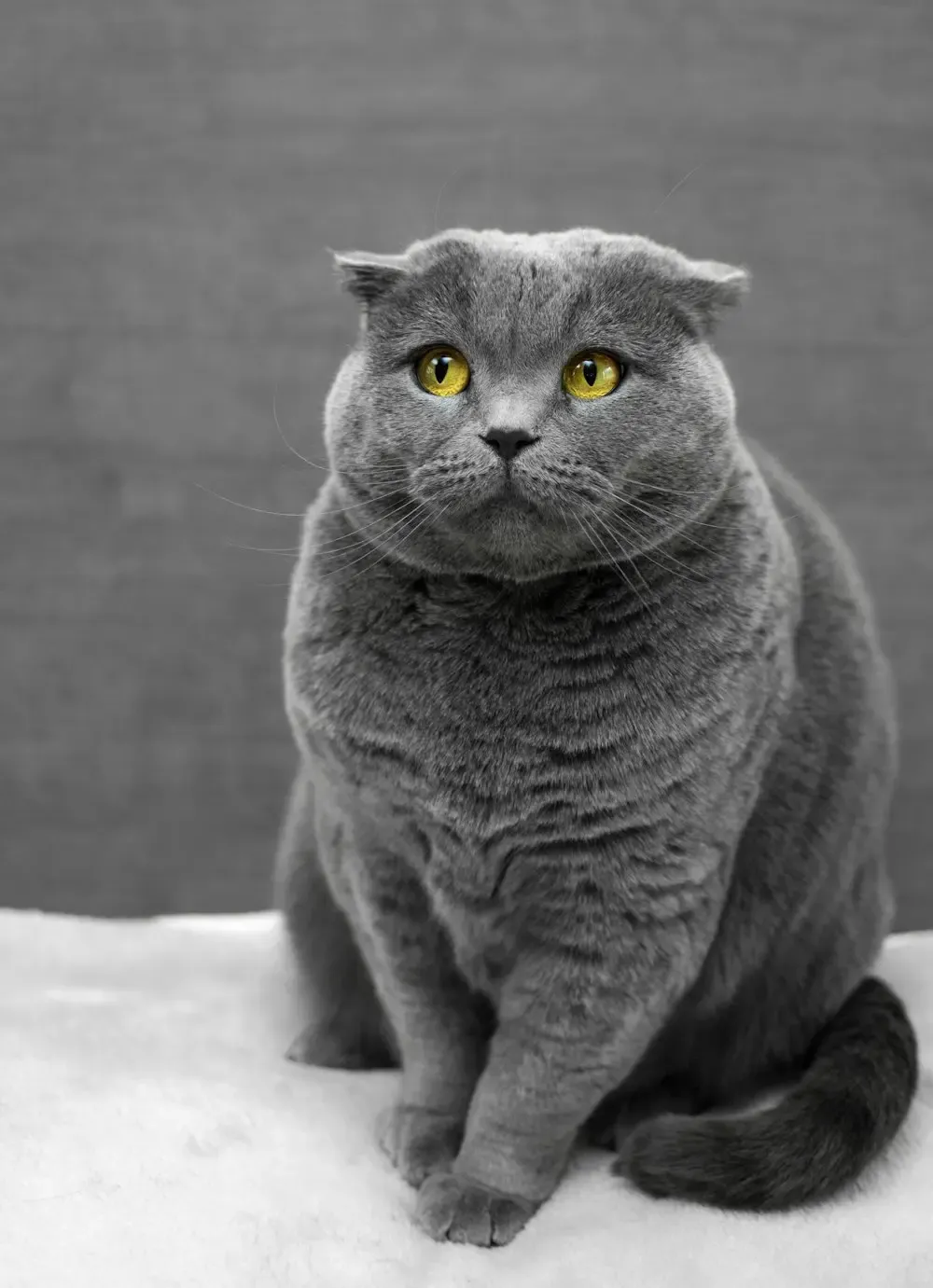
Cat breed identifier
Upload a photo to see which breeds your cat looks like, and their health risks.
Symptom photo check
Photograph what you’re seeing and we’ll point you to the right guide.
Cat poop checker
Photograph your cat’s stool and compare it with a vet fecal score chart.